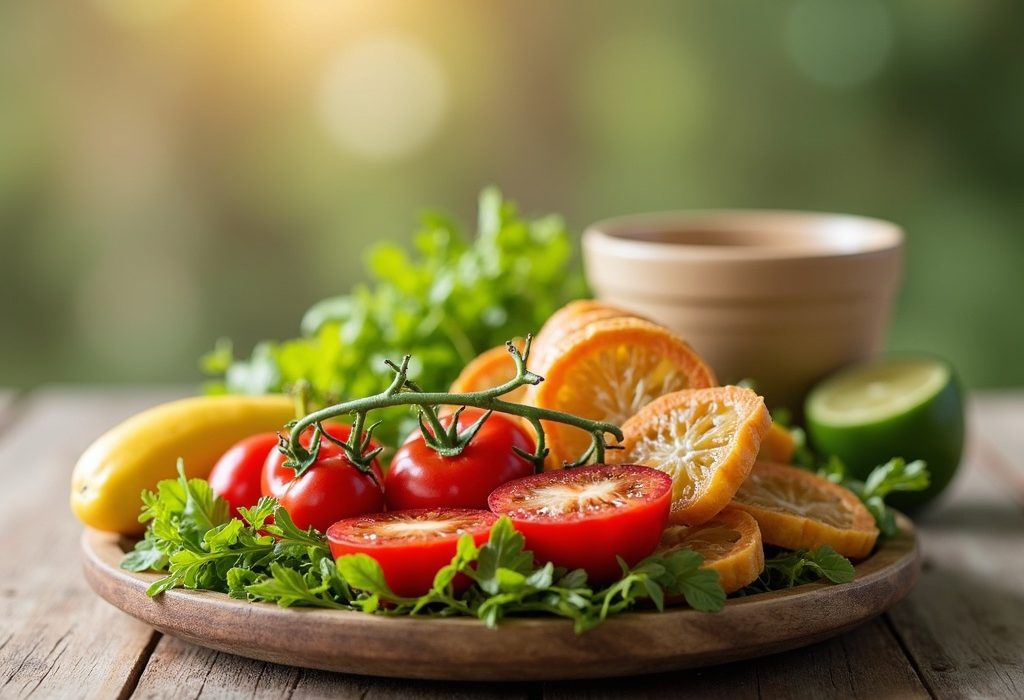

Best Foods for Natural Weight Loss: Top 10 Delicious Options!
Introduction
Why do most weight loss conversations immediately jump to restrictions and what you can't eat? After working with countless people struggling with their weight over the years, I've noticed something fascinating: the most successful transformations happen when we focus on adding the best foods for natural weight loss rather than constantly subtracting from our plates.
Here's what really gets me excited about this approach – when you prioritize nutrient-dense, naturally satisfying foods, your body starts working with you instead of against you. The hunger pangs ease up, energy levels stabilize, and those late-night cravings begin to fade. It's not magic, but it feels pretty close when you've been battling your appetite for months or years.
The truth is, sustainable weight loss isn't about finding the perfect restrictive diet or punishing yourself into submission. It's about understanding which foods naturally support your metabolism, keep you satisfied longer, and provide the nutrients your body needs to function optimally. Let me walk you through the ten most effective options I've seen work consistently.
Core Elements of Natural Weight Loss Foods
When I think about foods that genuinely support weight loss, three key characteristics always stand out. First, they provide high satiety relative to their calorie content – meaning you feel genuinely satisfied without overeating. Second, they require more energy to digest and process, giving your metabolism a gentle boost throughout the day. Third, they're nutrient-dense enough to prevent the deficiency-driven cravings that derail so many well-intentioned efforts.
Protein-rich foods like lean fish, eggs, and Greek yogurt consistently top this list because they check all three boxes beautifully. Your body burns about 25-30% of the calories in protein just processing it, compared to only 6-8% for carbohydrates. This thermal effect isn't dramatic enough to create miracles, but it adds up meaningfully over time.
Fibrous vegetables and fruits work differently but just as effectively. They add volume and nutrients to meals without significantly increasing calories, and the fiber helps regulate blood sugar spikes that can trigger hunger shortly after eating. I've watched people naturally reduce their portion sizes simply by starting each meal with a large salad or filling half their plate with non-starchy vegetables.
Timeline and Expected Results
Most people notice subtle changes in their appetite and energy levels within the first week of emphasizing these natural weight loss foods. It's not dramatic – more like the difference between feeling constantly hungry versus comfortably satisfied between meals. The constant mental chatter about food tends to quiet down first, which many find surprisingly liberating.
Physical changes typically become noticeable after about three to four weeks of consistent focus on these foods. Rather than rapid drops on the scale, expect gradual improvements in how your clothes fit and your overall sense of vitality. The people who stick with this approach long-term often describe feeling more energetic and mentally clear before they even notice significant weight changes.
By the two to three-month mark, most people report that eating this way feels natural rather than effortful. The foods they once craved intensely – typically highly processed, sugar-heavy options – start tasting overly sweet or leaving them feeling sluggish.
Top Protein Sources for Natural Weight Loss
Salmon deserves special recognition here, not just for its impressive protein content but for those omega-3 fatty acids that support healthy inflammation levels and brain function. Wild-caught varieties offer the best nutrient profile, though farm-raised options still provide substantial benefits when wild isn't accessible or affordable.
Eggs remain one of the most versatile and complete protein sources available. The combination of high-quality protein and healthy fats helps stabilize blood sugar levels, preventing the energy crashes that often lead to poor food choices later in the day. Don't skip the yolks – that's where much of the nutritional value lives.
Greek yogurt, particularly the plain varieties, provides probiotics alongside protein. The beneficial bacteria support digestive health, which increasingly appears connected to weight management in ways we're still understanding. Choose full-fat versions when possible; the additional satisfaction often prevents overeating later.
Fiber-Rich Vegetables and Fruits
Leafy greens like spinach, kale, and arugula are nutritional powerhouses that add virtually no calories while providing essential vitamins and minerals. I encourage people to think of them as free foods – eat as much as you want, as often as you want. The nutrients support overall health while the volume helps with meal satisfaction.
Cruciferous vegetables such as broccoli, cauliflower, and Brussels sprouts deserve special mention for their unique compound called sulforaphane, which supports the body's natural detoxification processes. These vegetables are also incredibly filling relative to their calorie content.
Berries stand out among fruits for their lower sugar content and higher antioxidant levels. Blueberries, raspberries, and blackberries satisfy sweet cravings while providing fiber and nutrients that support stable blood sugar levels. They're particularly useful for people transitioning away from higher-sugar foods.
Healthy Fats That Support Weight Loss
Avocados provide monounsaturated fats that support heart health and help with the absorption of fat-soluble vitamins from other foods. The combination of healthy fats and fiber makes them remarkably satisfying – most people find that adding half an avocado to a meal helps them feel full for hours longer.
Nuts and seeds, particularly almonds, walnuts, and chia seeds, offer protein, healthy fats, and various micronutrients in convenient packages. The key is portion awareness – they're nutrient-dense but also calorie-dense, so a small handful typically suffices.
Extra virgin olive oil remains a staple for good reason. It's rich in antioxidants and monounsaturated fats, and using it in salad dressings helps with the absorption of nutrients from vegetables. The Mediterranean diet research consistently shows positive outcomes for weight management when olive oil is used as a primary fat source.
Nutritional and Health Impact
The metabolic benefits of focusing on these whole foods extend far beyond simple calorie mathematics. When you consistently provide your body with high-quality nutrients, several systems begin functioning more efficiently. Your hunger and satiety hormones – leptin and ghrelin – start communicating more clearly, making it easier to recognize when you're genuinely hungry versus eating out of habit or emotion.
Blood sugar stability improves significantly when meals center around protein, healthy fats, and fiber-rich vegetables. This stability prevents the energy roller coaster that drives many people to reach for quick-energy snacks throughout the day. The Harvard T.H. Chan School of Public Health emphasizes how stable blood sugar levels support sustainable weight management over time.
Additionally, these foods support optimal gut health, which increasingly appears crucial for maintaining a healthy weight. The fiber feeds beneficial bacteria, while the variety of nutrients supports the intestinal lining's integrity. A healthy gut microbiome may influence everything from mood to metabolism in ways we're still discovering.
Healthier and More Effective Alternatives
Rather than completely eliminating favorite foods, consider nutrient-dense swaps that satisfy similar cravings. Zucchini noodles or spaghetti squash can replace traditional pasta in many dishes while adding vegetables and reducing refined carbohydrates. Cauliflower rice has become popular for good reason – it absorbs flavors beautifully while providing additional vegetables.
For people who struggle with sweet cravings, focusing on naturally sweet foods like roasted sweet potatoes or fresh fruit often proves more sustainable than attempting complete sugar elimination. Dark chocolate with at least 70% cacao can satisfy chocolate cravings while providing antioxidants and avoiding the blood sugar spikes associated with milk chocolate.
Some individuals thrive with time-restricted eating approaches, naturally limiting their eating window to 8-10 hours daily. Others find success with plant-forward eating patterns that emphasize vegetables, fruits, and legumes while still including moderate amounts of animal proteins.
Lifestyle and Routine Optimization
Meal preparation doesn't need to be elaborate, but having healthy options readily available makes a tremendous difference during busy or stressful periods. Washing and chopping vegetables when you bring them home from the store, cooking proteins in batches, and keeping simple ingredients on hand prevents the default to convenience foods.
Creating an environment that supports your goals often matters more than willpower. Keeping cut vegetables visible in the refrigerator while storing less healthy options in opaque containers or less convenient locations can subtly influence daily choices. Small environmental changes compound over time into significant behavioral shifts.
Sleep quality directly impacts hunger hormones and decision-making capabilities. People who consistently get adequate sleep find it much easier to make thoughtful food choices and recognize genuine hunger signals. Prioritizing sleep might be one of the most underrated strategies for sustainable weight management.
Common Mistakes to Avoid
One pattern I notice frequently is people dramatically restricting calories while trying to incorporate these healthy foods, then wondering why they feel deprived and eventually abandon their efforts. These nutrient-dense foods work best when they replace less healthy options rather than simply adding to an already restricted intake.
Another common pitfall involves perfectionism – believing that every meal must be optimally healthy or the entire effort is wasted. This all-or-nothing thinking often leads to cycles of restriction and overeating. Instead, aim for consistency over perfection, focusing on making the majority of your food choices align with your goals.
Many people also underestimate liquid calories, particularly from beverages like specialty coffee drinks, alcohol, and fruit juices. These calories often don't register the same satisfaction as food calories, making it easy to consume significant amounts without feeling full.
Sustainability and Maintenance Tips
Long-term success depends on finding versions of these healthy foods that you genuinely enjoy rather than forcing yourself to eat things you dislike. Experiment with different preparation methods, seasonings, and combinations until you discover options that feel satisfying rather than virtuous.
Building flexibility into your approach helps prevent the rigid thinking that often leads to abandoning healthy habits entirely when life gets complicated. If you typically eat these foods 80-85% of the time, you can occasionally enjoy other options without derailing your progress.
Focus on developing cooking skills gradually rather than attempting to master everything immediately. Learning to prepare a few simple, delicious meals featuring these ingredients provides a foundation you can build upon over time.
Conclusion
The most sustainable approach to weight loss isn't about finding the perfect restrictive diet or eliminating entire food groups. It's about gradually shifting toward foods that naturally support your body's hunger and satiety signals while providing the nutrients necessary for optimal function.
These ten categories of foods – from protein-rich options like salmon and eggs to fiber-packed vegetables and satisfying healthy fats – work synergistically to help you feel satisfied while creating the gentle calorie deficit that leads to gradual, sustainable weight loss. The key is consistency rather than perfection, and patience with the process rather than expecting dramatic overnight changes.
If you're ready to move away from restrictive dieting and toward a more intuitive, nourishing approach to eating, start by incorporating one or two of these food categories into your daily routine. Pay attention to how they affect your energy levels, hunger patterns, and overall well-being. Trust that small, consistent changes compound into significant results over time.
Frequently Asked Questions
How quickly will I see results from eating these foods?
Most people notice improved energy and reduced cravings within the first week, but visible physical changes typically take 3-4 weeks of consistent focus. Remember, sustainable weight loss happens gradually – dramatic quick changes usually aren't maintainable long-term.
Can I still lose weight if I occasionally eat foods not on this list?
Absolutely. The goal isn't perfection but consistency. If these nutritious foods make up the majority of your intake, occasional treats or less optimal choices won't derail your progress. Balance and sustainability matter more than rigid adherence.
Do I need to count calories when focusing on these foods?
Many people find they naturally eat appropriate amounts when emphasizing these naturally satisfying foods, making detailed calorie counting unnecessary. However, portion awareness still matters, particularly with calorie-dense healthy foods like nuts and avocados.
What if I don't like some of these recommended foods?
Focus on the options you do enjoy rather than forcing yourself to eat foods you dislike. There's enough variety within each category that you can find satisfying options that align with your preferences while still supporting your weight loss goals.
Are these foods more expensive than my current diet?
While some items like wild salmon can be pricey, many options like eggs, seasonal vegetables, and dried legumes are quite affordable. Cooking at home using these ingredients often costs less than frequently purchasing processed foods or eating out.