
High-Protein Meal Prep for Weight Loss: A Simple Weekly Plan for Busy Americans
When it comes to weight loss, many people struggle with the same issues: busy schedules, lack of time to cook, and the temptation of convenient but unhealthy foods. You might find yourself reaching for quick snacks or fast food when hunger strikes, only to feel guilty later. The good news is that with a little planning and preparation, you can make healthy eating easier and more enjoyable. This guide will help you create a high-protein meal prep plan tailored for your busy lifestyle, offering practical solutions to help you stay on track with your weight loss goals.
High-protein meals are not just a trend; they play a crucial role in weight loss. Protein is essential for building and maintaining muscle mass, and it helps keep you feeling full longer. This means that incorporating protein-rich foods into your diet can reduce cravings and prevent overeating. By planning your meals ahead of time, you can ensure that you have nutritious options readily available, making it easier to resist unhealthy choices.
In this article, we’ll explore how to set up a simple weekly meal prep plan focusing on high-protein meals. You’ll find practical advice, common mistakes to avoid, expert tips, and answers to your frequently asked questions. Let’s dive in and take the first step toward making weight loss a more manageable journey.
Featured Image goes here
Understanding High-Protein Meals and Their Role in Weight Loss
High-protein meals are those that contain a significant amount of protein, often from sources like lean meats, fish, eggs, dairy, legumes, and nuts. The core concept here is simple: when you consume adequate protein, you support muscle repair, enhance satiety, and improve your overall metabolism.
For instance, consider a typical lunch scenario. Instead of grabbing a sandwich with processed meats and white bread, you could prepare a quinoa salad with grilled chicken, black beans, and a variety of colorful vegetables. This meal not only provides the protein your body needs but also offers fiber, vitamins, and minerals that contribute to overall health.
Incorporating high-protein meals into your diet can significantly impact your weight loss efforts. Research suggests that diets higher in protein can promote fat loss while preserving muscle mass, making it a smart choice for those looking to shed pounds.
Practical Steps for Meal Prep
Now that you understand the importance of high-protein meals for weight loss, let’s discuss some practical steps to make meal prep easier.
- Plan Your Meals: Start by deciding what meals you want to prepare for the week. Aim for a balance of protein sources. For example, consider chicken, fish, lentils, and eggs for variety.
- Create a Shopping List: Once you’ve planned your meals, write down the ingredients you need. Stick to your list to avoid impulse buys that might derail your healthy eating goals.
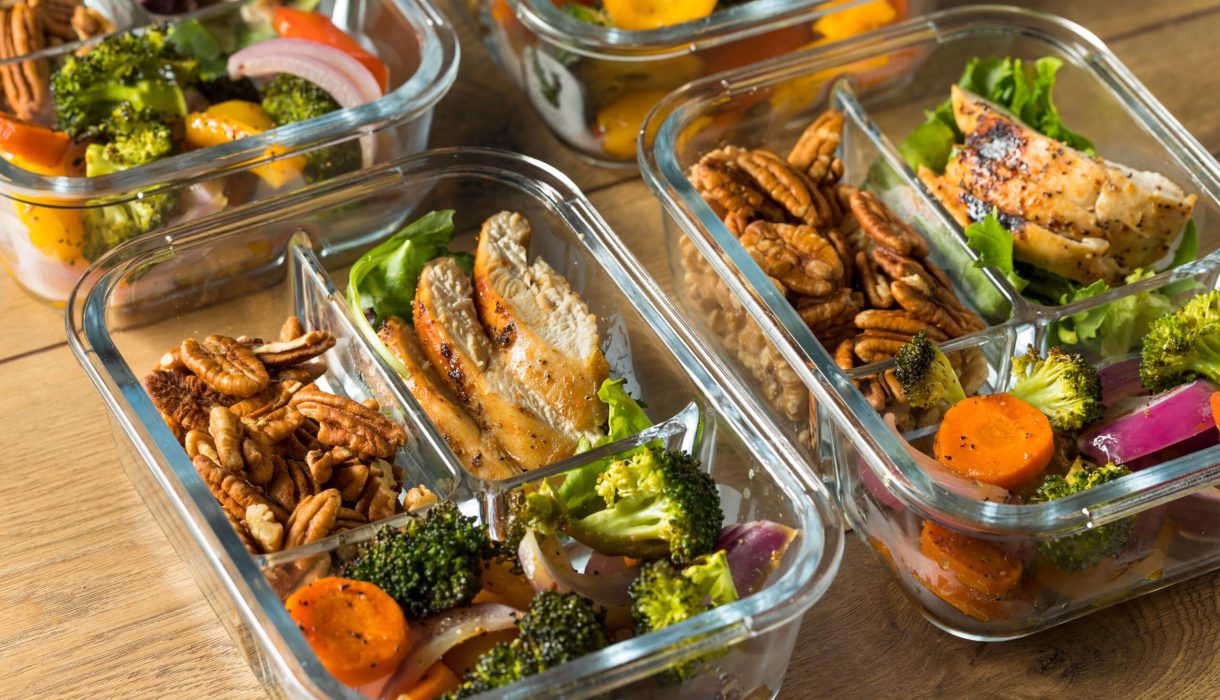
- Batch Cooking: Dedicate a few hours on the weekend to cook large batches of protein-rich foods. Grill a bunch of chicken breasts, bake several sweet potatoes, or prepare a big pot of chili. Store them in portioned containers for easy access throughout the week.
- Use Versatile Ingredients: Select ingredients that can be used in multiple meals. For example, roasted vegetables can go into salads, wraps, or grain bowls.
- Snack Smart: Prepare high-protein snacks, such as Greek yogurt with fruit, cottage cheese with nuts, or hummus with veggies. Having these on hand can prevent unhealthy snacking.
- Stay Hydrated: Don’t forget the importance of drinking water. Staying hydrated can help control hunger and support overall weight loss.
Common Mistakes or Myths About High-Protein Diets
Many misconceptions surround high-protein diets, and it’s essential to recognize them to avoid pitfalls in your weight loss journey.
- Myth: All Proteins Are Created Equal: Not all protein sources have the same nutritional value. For instance, processed meats can contain unhealthy fats and preservatives, while lean meats, fish, and plant-based sources offer healthier options.
- Mistake: Overlooking Other Nutrients: Focusing solely on protein can lead you to neglect other essential nutrients. A well-rounded diet includes carbohydrates and healthy fats, which are vital for energy and overall health.
- Myth: High Protein Equals Weight Loss: Simply increasing your protein intake won’t guarantee weight loss. It must be part of a balanced diet and combined with regular physical activity.
Understanding these misconceptions can help you make informed choices as you embark on your weight loss journey.

Expert Tips for Successful Meal Prep
To enhance your meal prep experience, consider these expert tips:
- Invest in Quality Containers: Using clear, stackable containers can make it easier to organize your meals and see what you have on hand.
- Label Your Meals: Don’t forget to label your containers with the meal name and date prepared. This helps you keep track of freshness and makes it easy to grab meals on the go.
- Incorporate Herbs and Spices: Elevate the flavor of your meals without adding extra calories by using a variety of herbs and spices. They can make a simple chicken breast or veggie dish more exciting.
- Practice Mindful Eating: Take the time to enjoy your meals. Eating mindfully can help you recognize when you’re full and prevent overeating.
- Stay Flexible: Life can be unpredictable. Don’t stress if you need to swap a meal or adjust your plan. The goal is to create a sustainable routine that fits your lifestyle.
Frequently Asked Questions
1. How much protein should I consume for weight loss?
The recommended dietary allowance (RDA) for protein is about 0.8 grams per kilogram of body weight, but many experts suggest higher amounts for weight loss, around 1.2 to 2.0 grams per kilogram, depending on your activity level.
2. Can I lose weight without meal prepping?
Yes, it’s possible, but meal prepping can significantly simplify the process by ensuring you have healthy options ready and reducing the temptation to eat unhealthy foods.
3. How long can I store prepared meals?
Generally, most cooked meals can be stored in the refrigerator for up to four days and in the freezer for up to three months. Always check for signs of spoilage before consuming.
4. What’s the best way to reheat meals?
The microwave is convenient, but reheating on the stovetop or in the oven can help maintain texture and flavor.
5. Are high-protein diets safe for everyone?
While high-protein diets can be beneficial for many, it’s essential to consult with a healthcare professional, especially if you have underlying health conditions.
Taking the Next Steps
Embracing a high-protein meal prep plan can be a game-changer for your weight loss journey. By planning ahead and being mindful of your food choices, you can create a sustainable routine that supports your goals. Remember to focus on balance—incorporating a variety of foods will help you meet your nutritional needs while making your meals enjoyable.
Whether you’re preparing for a busy week ahead or simply looking to improve your eating habits, start small. Choose one or two meals to prep this week, and gradually build up your routine. Over time, you’ll find that meal prepping becomes second nature, making healthy eating a breeze.
For more resources and tips, check out Nuvorafan or explore guidelines from the CDC on nutrition and healthy eating. Each step you take brings you closer to your weight loss goals and a healthier lifestyle.