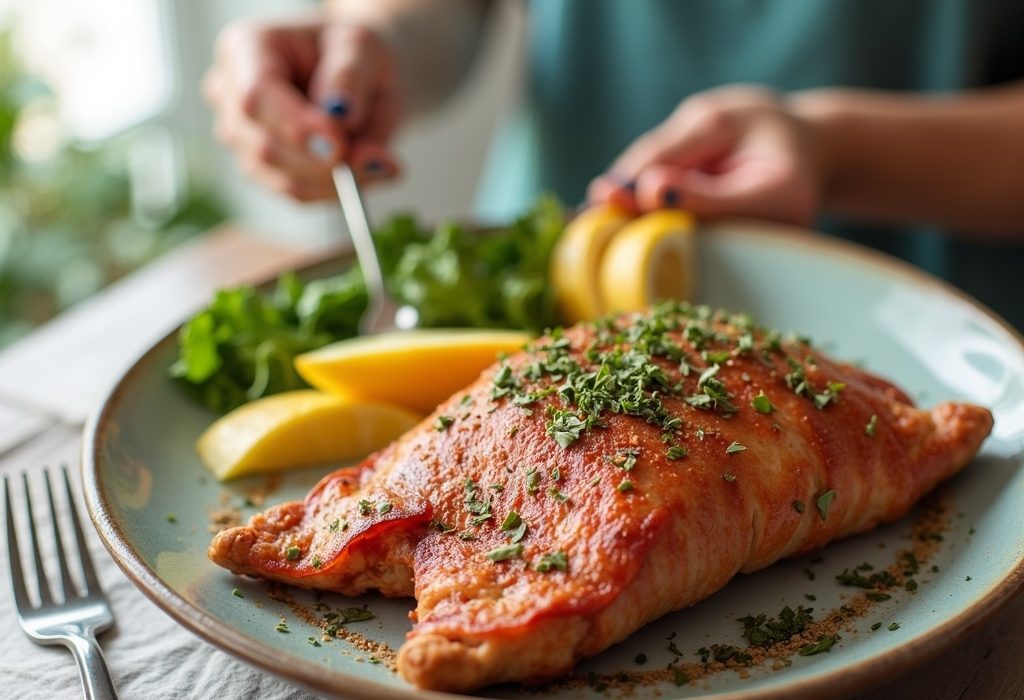

Simple Meal Plan for Weight Loss USA: 7 Easy Recipes to Try!
Introduction
Why does weight loss feel so overwhelming when we're constantly surrounded by success stories and miracle diets? I've been thinking about this lately, especially after watching friends struggle with complicated meal plans that promise everything but deliver frustration. The truth is, most Americans overthink weight loss, turning it into this massive project instead of treating it like the gradual lifestyle shift it actually needs to be.
A simple meal plan for weight loss usa doesn't require exotic ingredients or hours of prep time. What it needs is consistency, realistic portions, and foods that actually taste good enough to stick with long-term. I've seen too many people burn out on restrictive diets that work for two weeks before real life kicks in.
The recipes I'm sharing aren't revolutionary – they're just practical meals that happen to support weight loss without making you feel like you're punishing yourself. Think of them as a starting point rather than a rigid system, because the best meal plan is always the one you'll actually follow.
Core Elements of the Weight Loss Plan
The foundation here revolves around whole foods that keep you satisfied without the blood sugar rollercoaster that leaves you ravenous by 3 PM. I focus on combining protein, fiber, and healthy fats in ways that feel natural rather than calculated.
Most successful weight loss happens when you're eating foods that require a bit more energy to digest and keep you full longer. Lean proteins, vegetables, and complex carbohydrates do exactly that. But here's what I've learned – if you hate quinoa, don't force it. Brown rice works fine. If you can't stand kale, spinach is perfectly adequate.
The beauty of this approach is flexibility. If you're someone who barely has time to microwave lunch, these recipes accommodate that reality. If you love cooking and have more time on weekends, you can batch prep components that make weekday meals effortless.
What matters most is creating meals that don't feel like diet food. When your food tastes good and leaves you satisfied, you're not constantly fighting cravings or feeling deprived. That psychological shift makes all the difference between a temporary diet and a sustainable change.
Timeline and Expected Results
The first week usually feels pretty good because you're motivated and everything is new. Your body starts adjusting to more consistent blood sugar levels, which means fewer energy crashes and less random snacking.
By week two, most people notice their clothes fitting slightly differently, though the scale might not show dramatic changes. This is normal – your body is often rebalancing water retention and building better habits before you see significant weight changes.
The real momentum typically builds around week three and four. This is when the routine feels more automatic and you start craving these healthier options naturally. Some people lose weight faster, others slower – it depends on starting point, metabolism, and how consistently you stick with it.
Rather than expecting specific numbers, I encourage people to pay attention to energy levels, sleep quality, and how they feel after meals. These improvements often happen before visible weight loss and indicate you're moving in the right direction.
Easy Recipe 1: Mediterranean Chicken Bowl
Start with boneless chicken thighs seasoned with oregano, garlic powder, and a pinch of salt. Pan-sear them until golden, then set aside. In the same pan, quickly sauté diced cucumber, cherry tomatoes, and red onion – just enough to warm them through.
Serve over a bed of mixed greens with a handful of chickpeas and crumbled feta cheese. The dressing is simple: olive oil, lemon juice, and a touch of red wine vinegar. This combination gives you protein, healthy fats, and plenty of fiber without feeling heavy.
Easy Recipe 2: Veggie-Packed Egg Scramble
Heat a non-stick pan and add whatever vegetables you have on hand – bell peppers, spinach, mushrooms, or zucchini all work well. Cook them until slightly tender, then pour in beaten eggs mixed with a splash of milk.
Keep stirring gently as the eggs cook, and finish with fresh herbs like chives or parsley. Serve with a slice of whole grain toast or some avocado slices. This works for breakfast, lunch, or even a light dinner.
Easy Recipe 3: Turkey and Sweet Potato Skillet
Dice a medium sweet potato and start cooking it in a large skillet with a little oil. Once it begins to soften, add ground turkey and cook until browned. Season with cumin, paprika, and black pepper.
Add some frozen corn and black beans during the last few minutes of cooking. The natural sweetness of the potato balances the spices, and you get complete protein from combining the turkey with beans. Top with fresh cilantro and a squeeze of lime.
Easy Recipe 4: Asian-Inspired Lettuce Wraps
Cook ground chicken or turkey in a hot pan, breaking it up as it cooks. Add minced garlic, ginger, and a splash of low-sodium soy sauce. Stir in shredded carrots and cabbage for crunch.
Serve the mixture in butter lettuce cups with sliced green onions and a sprinkle of sesame seeds. These are surprisingly filling and feel like a treat rather than diet food. The contrast of textures keeps each bite interesting.
Easy Recipe 5: Zucchini Noodle Pasta
Spiralize zucchini or use a vegetable peeler to create long, thin strips. Sauté them quickly in a pan – about two minutes so they stay slightly firm. Toss with cherry tomatoes, fresh basil, and grilled chicken or shrimp.
A light coating of pesto or even just olive oil with garlic keeps everything flavorful without adding excessive calories. This satisfies pasta cravings while sneaking in extra vegetables naturally.
Easy Recipe 6: Hearty Lentil Soup
Start with diced onion, carrots, and celery cooked until soft. Add dried lentils, low-sodium broth, and whatever herbs you enjoy – thyme and bay leaves work well. Let it simmer until the lentils are tender.
This makes a large batch perfect for meal prep. Lentils provide plant-based protein and fiber that keeps you full for hours. Add spinach during the last few minutes of cooking for extra nutrients.
Easy Recipe 7: Baked Cod with Roasted Vegetables
Season cod fillets with lemon juice, herbs, and a drizzle of olive oil. Bake at 400°F while roasting a mix of broccoli, bell peppers, and red onion on the same tray. Everything cooks in about 20 minutes.
The mild flavor of cod pairs well with virtually any vegetable combination, making this endlessly adaptable based on what's in season or on sale. Fish provides lean protein while the roasted vegetables add fiber and satisfying bulk to the meal.
Nutritional and Health Impact
These meals work because they balance macronutrients in a way that supports steady energy levels throughout the day. When you eat adequate protein with each meal, your body maintains muscle mass even while losing weight, which keeps your metabolism functioning efficiently.
The high fiber content from vegetables and legumes supports digestive health and helps regulate blood sugar levels. According to the Harvard T.H. Chan School of Public Health, this combination naturally leads to feeling satisfied with fewer calories.
What I appreciate about these recipes is that they don't require calorie counting or measuring every ingredient. The natural satiety signals work better when you're eating whole foods that your body recognizes and processes efficiently.
The variety also prevents the boredom that kills most diet attempts. When you have seven different meals in rotation, eating becomes interesting again rather than just fuel. This psychological aspect of successful weight management strategies often gets overlooked but makes a huge difference in long-term adherence.
Healthier and More Effective Alternatives
Some people thrive on plant-based versions of these recipes by substituting tofu, tempeh, or additional legumes for animal proteins. Others find they do better with slightly higher fat content, adding more nuts, seeds, or avocado to increase satiety.
If you prefer lower carbohydrate approaches, you can easily adapt most of these recipes by increasing the vegetable portions and reducing or eliminating grains and starchy vegetables. The flexibility is intentional – rigid rules tend to backfire.
Time-restricted eating pairs well with these meals for people who prefer eating within specific windows rather than focusing primarily on food choices. The nutrient density means you're getting what your body needs even with fewer eating occasions.
Lifestyle and Routine Optimization
Batch cooking components on weekends makes weekday execution much simpler. Cook a few proteins at once, chop vegetables, and prepare grains so assembly becomes quick during busy periods. This removes the decision fatigue that leads to ordering takeout.
Keep basic seasonings, canned beans, and frozen vegetables on hand so you can create satisfying meals even when fresh ingredients run low. Having backup options prevents the all-or-nothing thinking that derails progress.
Environment matters more than willpower. If healthy ingredients are easily accessible and convenient, you'll naturally gravitate toward better choices. Stock your kitchen with the foods that support your goals rather than relying on discipline to resist less nutritious options.
Common Mistakes to Avoid
The biggest mistake I see is making portions too small in an attempt to accelerate results. Undereating typically leads to intense cravings and eventual overeating. These recipes are designed to provide adequate calories while still supporting weight loss.
Another common issue is expecting perfection. Missing a day or having a less-than-ideal meal doesn't negate previous progress. Consistency over perfection always wins in the long run. The Centers for Disease Control and Prevention emphasizes gradual, sustainable changes rather than dramatic overhauls.
People also tend to abandon variety too quickly, eating the same meal repeatedly until they burn out. Rotation prevents boredom and ensures you're getting a range of nutrients naturally.
Sustainability and Maintenance Tips
The goal isn't to follow these recipes forever, but to learn the principles that make them effective. Understanding how to combine proteins, vegetables, and appropriate portions becomes intuitive after a few weeks of practice.
Build flexibility into your approach from the beginning. Special occasions, travel, and busy periods are part of life, not obstacles to overcome. When you know how to make reasonable choices in various situations, temporary deviations don't derail long-term progress.
Focus on developing cooking skills gradually rather than trying to master everything immediately. Even learning to prepare vegetables in ways you actually enjoy makes a significant difference in your ability to maintain healthier eating patterns.
Consider this phase as building a foundation for how you want to eat long-term rather than a temporary intervention. The habits you develop now become the basis for maintaining your results without constant effort or vigilance.
Conclusion
Weight loss doesn't have to involve suffering through meals you dislike or spending hours in the kitchen. These seven recipes prove that simple, satisfying foods can support your goals without feeling like punishment.
The key is finding an approach that fits your actual life, not the idealized version where you have unlimited time and motivation. Start with one or two recipes that appeal to you most, then gradually expand your repertoire as these become routine.
Remember that sustainable changes happen gradually. Give yourself permission to adapt these suggestions to your preferences and circumstances. The best meal plan is always the one you'll actually stick with long enough to see results.
FAQs
How quickly will I see results with this meal plan?
Most people notice increased energy and reduced cravings within the first week, with visible changes typically appearing after 2-3 weeks of consistent eating. Individual results vary based on starting point and adherence.
Can I substitute ingredients in these recipes?
Absolutely. The recipes are designed to be flexible. Swap proteins, vegetables, or grains based on your preferences or what's available. The key is maintaining the balance of protein, fiber, and healthy fats.
Do I need to count calories with these meals?
These recipes are portioned to support weight loss naturally without calorie counting. Focus on eating until satisfied, not stuffed, and pay attention to your hunger cues rather than strict measurements.
What if I don't have time to cook every day?
Batch cooking on weekends helps tremendously. Prepare proteins, chop vegetables, and cook grains in advance. Many of these recipes can be partially prepared ahead of time for quick assembly during busy weekdays.
Are these recipes suitable for families?
Yes, these are regular foods that appeal to most palates. You can easily adjust seasonings or serve components separately to accommodate different preferences while still supporting your weight loss goals.