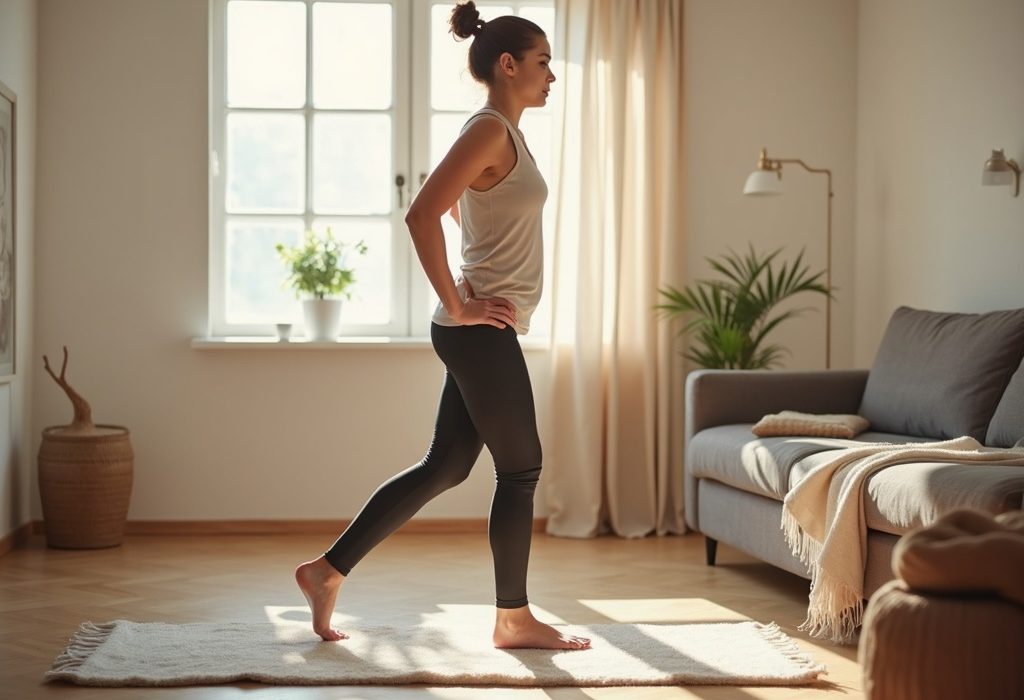

Simple Movement for Weight Loss at Home: 7 Easy Tips to Get Started!
Introduction
What if I told you that losing weight doesn't require a gym membership, expensive equipment, or hours of grueling workouts? Most people think they need to transform their entire life overnight to see results, but the truth is much simpler. The most effective approach to simple movement for weight loss at home starts with understanding that small, consistent actions create lasting change.
I've watched countless people struggle with weight loss because they believe it has to be complicated. They jump into intense workout programs, buy equipment they never use, or follow restrictive diets that make them miserable. Meanwhile, some of the most successful weight loss stories I've encountered began with people who simply started moving more in their everyday lives.
The beauty of home-based movement is that it removes every excuse. No commute time, no monthly fees, no intimidating gym atmosphere – just you and the space you already have. Whether you're working with a tiny apartment or have a full house, there are countless ways to increase your daily movement that actually work.
Core Elements of the Weight Loss Plan
The foundation of any successful weight loss approach centers on creating a sustainable calorie deficit through increased movement and mindful eating. When we talk about simple movement for weight loss at home, we're really discussing how to make your body work harder throughout the day without dramatically disrupting your routine.
Movement doesn't always mean structured exercise. It includes everything from taking phone calls while walking around your living room to doing bodyweight squats during commercial breaks. The key is recognizing that every bit of movement counts toward your daily energy expenditure.
Your home environment offers unique advantages that most people overlook. You can exercise in privacy, wear whatever feels comfortable, and modify activities based on your energy level that day. If you're dealing with physical limitations, you can adapt movements to work within your range of motion. Parents can involve their children, making it family time rather than stolen time.
The psychological component is equally important. When movement becomes associated with your home – your safe space – it feels less like a chore and more like a natural part of your day. This connection between environment and habits plays a crucial role in long-term success.
Timeline and Expected Results
Most people notice changes in their energy levels within the first week of increasing their daily movement. Your body adapts quickly to new demands, and you'll likely find yourself sleeping better and feeling more alert during the day before you see any physical changes.
Physical changes typically become noticeable around the three to four-week mark. This isn't dramatic weight loss – it's more like clothes fitting slightly better or feeling stronger when climbing stairs. The scale might not reflect these changes immediately because you're building lean muscle while losing fat.
By the second month, friends and family often start commenting on visible changes. Your posture improves, you carry yourself differently, and there's often a noticeable increase in confidence. The relationship between physical activity and mental health becomes evident as stress levels decrease and mood stabilizes.
Rather than focusing on pounds lost, pay attention to functional improvements. Can you carry groceries upstairs without getting winded? Do you have more energy for activities you enjoy? These indicators often matter more than the number on a scale.
Walking and Light Cardio
Walking remains one of the most underrated forms of exercise, probably because it feels too simple to be effective. Yet research from the American Heart Association consistently shows that regular walking provides significant health benefits, including weight management and cardiovascular improvement.
Inside your home, you can create walking routines that work regardless of weather or time constraints. Pace while talking on the phone, walk in place during television shows, or create circuits that move you from room to room. The goal is accumulating steps throughout the day rather than forcing yourself into a rigid walking schedule.
Light cardio activities like marching in place, gentle dance movements, or following along with online videos can elevate your heart rate without requiring equipment. The beauty lies in their adaptability – you can do them in small spaces and modify intensity based on your fitness level.
Bodyweight Strength Training
Your own body provides all the resistance you need for effective strength training. Movements like squats, push-ups, lunges, and planks work multiple muscle groups simultaneously, making them incredibly efficient for home workouts.
Start with modified versions of these exercises. Wall push-ups instead of floor push-ups, chair-assisted squats, or holding plank positions for shorter durations. As your strength improves, you can progress to more challenging variations without ever needing additional equipment.
The key is focusing on proper form rather than quantity. Five well-executed squats provide more benefit than twenty poorly performed ones. Take time to learn how each movement should feel and gradually increase repetitions as your body adapts.
High-Intensity Interval Training (HIIT)
HIIT workouts pack maximum benefit into minimal time, making them perfect for busy schedules. These sessions alternate between periods of intense effort and brief recovery, creating an "afterburn effect" where your body continues burning calories hours after the workout ends.
A simple HIIT session might include thirty seconds of jumping jacks followed by thirty seconds of rest, repeated for ten to fifteen minutes. You can substitute any high-energy movement – burpees, mountain climbers, or even fast-paced bodyweight exercises.
The intensity should feel challenging but manageable. You shouldn't feel completely exhausted after each interval, but you should be breathing heavily and ready for the rest period.
Flexibility and Stretching Routines
Flexibility work often gets overlooked in weight loss discussions, but it plays a crucial supporting role. Regular stretching improves circulation, reduces muscle tension, and helps prevent the aches and pains that might otherwise discourage you from staying active.
Morning stretches can energize your entire day, while evening routines help your body relax and recover. Focus on major muscle groups – hamstrings, hip flexors, shoulders, and back. Hold stretches for twenty to thirty seconds and breathe deeply throughout each position.
Flexibility training also provides active recovery between more intense movement sessions. On days when you don't feel up to vigorous exercise, gentle stretching keeps you moving without overwhelming your system.
Daily Movement Integration
The most sustainable approach to weight loss involves weaving movement throughout your regular activities rather than compartmentalizing it into workout sessions. This might mean doing calf raises while brushing your teeth, taking stairs two at a time, or parking farther away when running errands.
Look for natural opportunities to move more within your existing routine. Stand and pace during phone calls, do bodyweight exercises during television commercial breaks, or clean your house with extra vigor. These activities might seem insignificant individually, but they accumulate significant calorie expenditure over time.
Consider movement as your default state rather than sitting. If you're waiting for something – coffee to brew, laundry to finish, water to boil – use those minutes for light movement instead of scrolling through your phone.
Creating Home Workout Spaces
You don't need a dedicated home gym to create an effective workout environment. A small clear area in your living room, bedroom, or even hallway provides enough space for most bodyweight exercises.
Think about what motivates you and incorporate those elements into your space. Maybe it's energizing music, natural light from a window, or simply ensuring the area feels clean and inviting. Some people find that laying out a yoga mat or towel helps mentally designate the space for movement.
Storage doesn't have to be complicated either. A small bin or basket can hold resistance bands, light weights, or other minimal equipment. The key is making movement feel accessible rather than requiring extensive setup or cleanup.
Nutritional and Health Impact
Movement and nutrition work together synergistically for weight loss, but you don't need to overhaul your diet overnight. Increased physical activity naturally influences food choices in positive ways. You'll likely find yourself craving more nutritious foods and feeling less interested in heavy, processed options.
The Centers for Disease Control and Prevention emphasizes that sustainable weight loss occurs when people create moderate calorie deficits through a combination of increased activity and mindful eating. This doesn't mean strict calorie counting – it means paying attention to hunger cues and choosing foods that provide sustained energy for your active lifestyle.
Regular movement also improves insulin sensitivity, helping your body process carbohydrates more efficiently. This means the foods you eat are more likely to be used for energy rather than stored as fat, creating a positive cycle that supports your weight loss goals.
Healthier and More Effective Alternatives
While traditional approaches focus heavily on cardio for weight loss, combining movement types provides better results. Strength training builds lean muscle mass, which increases your metabolic rate even at rest. Flexibility work prevents injury and keeps you moving consistently.
Some people find success with time-restricted eating patterns, where they compress their daily meals into specific windows. Others prefer plant-forward eating or reduced carbohydrate approaches. The best nutritional strategy is one that complements your increased activity level and feels sustainable long-term.
Consider movement as medicine rather than punishment. Instead of exercising to "burn off" food you've eaten, focus on moving because it makes you feel energized, confident, and strong. This mindset shift often proves more sustainable than guilt-driven approaches.
Lifestyle and Routine Optimization
Building movement into your lifestyle requires honest assessment of your current habits and realistic planning for change. Most people underestimate how much time they spend in sedentary activities and overestimate how much movement they actually get each day.
Start by identifying natural transition points in your day where you can add movement. Between work tasks, before meals, or while watching television in the evening. These existing habits provide anchors for new movement patterns.
Environmental cues can support your goals without requiring constant willpower. Keep comfortable shoes visible, set out workout clothes the night before, or position yourself near spaces where movement feels natural. Small changes to your physical environment often yield surprisingly large behavioral changes.
Common Mistakes to Avoid
One of the biggest mistakes people make is starting too ambitiously and burning out within a few weeks. Your body and mind need time to adapt to increased activity levels. Beginning with small, manageable changes allows you to build confidence and establish habits before progressing to more challenging activities.
Another common pitfall is perfectionism. Missing a day of planned movement doesn't negate previous progress or predict future failure. Consistency matters more than perfection, and flexible approaches tend to be more sustainable than rigid ones.
Many people also underestimate the importance of rest and recovery. Your body needs time to adapt to increased demands, and pushing through fatigue or discomfort often leads to injury or discouragement. Listen to your body's signals and adjust intensity accordingly.
Sustainability and Maintenance Tips
The transition from weight loss to maintenance involves gradually increasing food intake while maintaining your activity levels. Many people successfully lose weight but struggle with maintenance because they view their changes as temporary rather than permanent lifestyle adjustments.
Focus on identifying which movement activities you genuinely enjoy rather than forcing yourself through exercises you hate. Sustainable weight maintenance requires finding physical activities that feel rewarding rather than punitive.
Consider your movement practice as an ongoing experiment. What works during one season of life might need adjustment as circumstances change. Stay curious and flexible rather than rigidly attached to specific routines or outcomes.
Conclusion
The path to sustainable weight loss through simple movement at home isn't about finding the perfect program or following someone else's exact blueprint. It's about understanding your own body, preferences, and lifestyle, then making small adjustments that compound over time.
The seven approaches we've explored – from basic walking and bodyweight exercises to daily movement integration – provide a foundation you can build upon. Remember that the most effective movement plan is one you'll actually follow consistently, not the most impressive one on paper.
Start where you are, use what you have, and do what you can. Your future self will thank you for beginning today, even if today's movement feels small and insignificant. Every step counts, every squat matters, and every day you choose movement over inactivity brings you closer to your goals.
FAQs
How much movement do I really need each day to see weight loss results?
Most people see positive changes with 20-30 minutes of movement daily, but this doesn't have to happen all at once. Breaking it into smaller chunks throughout the day often works better for busy schedules and feels less overwhelming when you're starting out.
What if I can't do traditional exercises due to physical limitations?
Chair exercises, gentle stretching, and modified movements can be just as effective as traditional workouts. The goal is increasing your heart rate and engaging your muscles within whatever range of motion feels comfortable and safe for your body.
Do I need to buy any equipment to get started?
Absolutely not. Your body weight provides plenty of resistance for effective workouts. As you progress, simple additions like resistance bands or light dumbbells can add variety, but they're not necessary for success.
How do I stay motivated when I don't see immediate results?
Focus on how movement makes you feel rather than just physical changes. Better sleep, increased energy, improved mood, and feeling stronger are all valuable results that often appear before visible weight loss. Keep a simple journal of these non-scale victories.
Is it normal to feel sore when starting a movement routine?
Mild muscle soreness is normal when you increase activity levels, but sharp pain or severe discomfort isn't. Start slowly, listen to your body, and don't hesitate to take rest days when needed. Consistency with moderate intensity beats occasional intense sessions followed by long breaks.