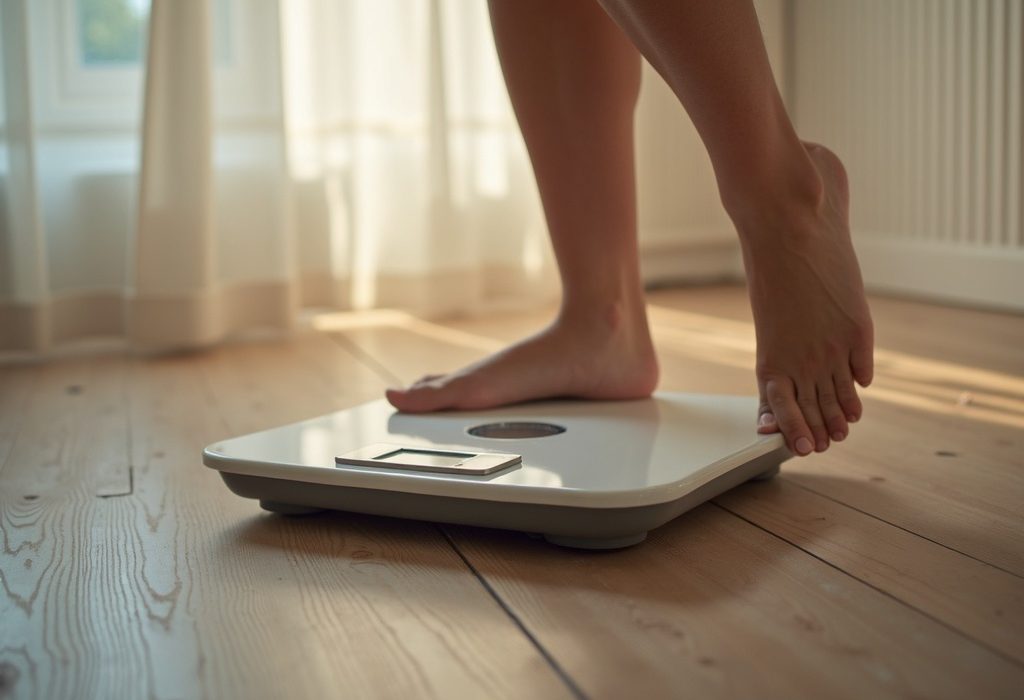

Why Scale Is Not Moving Weight Loss: 5 Surprising Reasons
Introduction
You've been eating better, maybe even hitting the gym regularly, but somehow that stubborn scale refuses to budge. Sound familiar? I've noticed this frustration echoes through almost every weight loss community I've encountered, and honestly, it's one of the most misunderstood aspects of losing weight. The truth about why scale is not moving weight loss has less to do with your dedication and more to do with how our bodies actually respond to change – and most of us are measuring progress completely wrong.
Here's what really gets me: we've been conditioned to believe that weight loss should be linear, predictable, and visible on a daily basis. But that's not how human physiology works, and clinging to this myth often derails people who are actually making incredible progress.
Core Elements of the Weight Loss Plan
Understanding genuine weight loss requires looking beyond the surface numbers. Your body doesn't operate like a simple math equation where calories in minus calories out equals predictable scale movement. Instead, it's constantly adapting, retaining water for muscle repair, shifting hormones based on stress levels, and even changing how efficiently it burns energy.
The most effective approach I've seen combines moderate calorie awareness with consistent movement and adequate protein intake. But here's the thing – these elements work together over weeks and months, not days. Your body might be building lean muscle while simultaneously burning fat, which means the scale stays put while your clothes fit differently.
This is particularly true if you're incorporating any kind of strength training or resistance work. Understanding the relationship between muscle building and fat loss becomes crucial because muscle tissue is denser than fat tissue. You could literally be getting smaller while maintaining the same weight.
Timeline and Expected Results
Most people expect to see scale changes within the first week or two, but reality works differently. During the first month, your body is primarily adapting to new routines and stress patterns. You might notice energy improvements, better sleep, or clothes fitting differently before any significant scale movement.
Real, sustainable weight changes typically become visible after six to eight weeks of consistency. Even then, progress rarely looks like a steady downward line. It's more like a staircase – periods of stability followed by sudden drops, then more stability.
The Mayo Clinic suggests that healthy weight loss occurs at a rate of one to two pounds per week, but this doesn't account for the natural fluctuations that can mask actual progress for days or even weeks at a time.
Step by Step Weight Loss Strategy
Focus on Measurements Beyond the Scale
Instead of daily weigh-ins, consider tracking how your clothes fit, taking body measurements, or noting improvements in strength and endurance. These indicators often reveal progress when the scale doesn't budge.
Prioritize Protein and Hydration
Adequate protein intake supports muscle retention during weight loss, while proper hydration helps your body function optimally. When you're dehydrated, your body tends to hold onto water, which affects scale readings.
Implement Consistent Sleep Patterns
Poor sleep disrupts hormones that regulate hunger and metabolism. When you're sleep-deprived, your body produces more cortisol and ghrelin, making weight loss significantly more difficult.
Create Sustainable Movement Habits
Rather than extreme exercise routines, focus on activities you can maintain long-term. This might mean walking more, taking stairs, or finding physical activities you actually enjoy.
Nutritional and Health Impact
The relationship between nutrition and scale movement isn't straightforward. Your metabolism adapts to caloric intake over time, which means your body becomes more efficient at functioning on fewer calories. This metabolic adaptation can slow visible weight loss even when you're doing everything right.
Additionally, certain foods cause temporary water retention. Sodium, refined carbohydrates, and even some healthy foods can cause your body to hold extra fluid for digestion and processing. This isn't fat gain – it's just your body doing its job.
Exploring how different nutritional approaches affect body composition reveals that the quality of calories often matters more than the pure quantity, especially for long-term success.
Healthier and More Effective Alternatives
Some people find success with approaches that don't center around daily weighing. Time-restricted eating, for example, can improve metabolic flexibility without requiring constant scale monitoring. Similarly, focusing on increasing vegetable intake or reducing processed foods often leads to natural weight management.
Plant-focused diets tend to be naturally lower in calories while higher in fiber, which supports gradual, sustainable weight changes. Low-carbohydrate approaches can be effective for some people, though they often cause initial water weight fluctuations that make scale interpretation tricky.
The key is finding an approach that feels sustainable for your lifestyle and preferences, rather than following the most restrictive plan you can tolerate temporarily.
Lifestyle and Routine Optimization
Small environmental changes often produce better long-term results than dramatic overhauls. Keeping healthy snacks visible, planning meals ahead of time, or scheduling movement into your day creates sustainable patterns that support weight management.
Stress management plays a huge role in weight regulation. Chronic stress elevates cortisol levels, which can promote fat storage and make weight loss more difficult. Finding effective ways to manage daily stress – whether through meditation, hobbies, or social connection – supports your overall goals.
Sleep quality deserves special attention. According to the National Sleep Foundation, adults need seven to nine hours of quality sleep for optimal metabolic function. Poor sleep disrupts the hormones that regulate appetite and energy expenditure.
Common Mistakes to Avoid
One observation I've made repeatedly is that people tend to underestimate portion sizes and overestimate their activity levels. This isn't intentional – it's just human nature. Food tracking can be helpful initially, not for restriction but for awareness.
Another common pattern is expecting linear progress. Weight naturally fluctuates based on hydration, hormones, sleep, stress, and even weather patterns. Daily weighing often creates unnecessary anxiety without providing useful information.
Many people also make dramatic changes all at once, which can trigger stress responses that actually hinder weight loss. Gradual modifications tend to be more effective and sustainable.
Sustainability and Maintenance Tips
Long-term success comes from developing habits that don't feel like constant effort. This means finding physical activities you enjoy, discovering healthy foods you actually like eating, and creating routines that fit your natural preferences and schedule.
Maintenance isn't about perfection – it's about consistency over time. Having strategies for handling challenging situations, like travel or busy periods, helps maintain progress without creating an all-or-nothing mentality.
Building a support system, whether through friends, family, or communities, provides accountability and encouragement during inevitable plateaus and challenges.
Conclusion
The scale is just one data point in a much larger picture of health and wellness. When it's not moving despite your best efforts, it doesn't mean you're failing – it often means your body is adapting, recomposing, or simply taking the time it needs to change sustainably.
Rather than fixating on daily numbers, consider expanding your definition of progress to include energy levels, strength improvements, better sleep, and how you feel in your body. These changes often precede visible scale movement and provide a more accurate picture of your actual health trajectory.
If you've been wondering why scale is not moving weight loss despite your consistent efforts, remember that patience and consistency typically win over perfection and intensity. Your body has its own timeline for change, and working with that natural rhythm usually produces better long-term results than fighting against it.
FAQs
Why hasn't the scale moved in two weeks even though I'm eating less?
This is completely normal. Your body might be retaining water due to new exercise routines, hormonal changes, or even stress. Two weeks isn't long enough to determine if your approach is working. Focus on other indicators like energy levels and how your clothes fit.
Can I be losing fat but not losing weight?
Absolutely. If you're doing any strength training or resistance work, you might be building muscle while losing fat. Since muscle is denser than fat, your weight might stay the same while your body composition improves significantly.
How often should I weigh myself during weight loss?
Most experts suggest weekly weighing at most, and many recommend focusing on monthly measurements instead. Daily weighing rarely provides useful information and often creates unnecessary stress about normal fluctuations.
What's the best way to track progress besides the scale?
Take body measurements, photos, and note improvements in strength, endurance, or daily activities. Pay attention to how clothes fit and your overall energy levels. These indicators often show progress when the scale doesn't budge.
How long should I wait before changing my weight loss approach?
Give any sustainable approach at least six to eight weeks before making significant changes. Short-term plateaus are normal and don't indicate that your method isn't working. Consistency over time matters more than perfect daily execution.